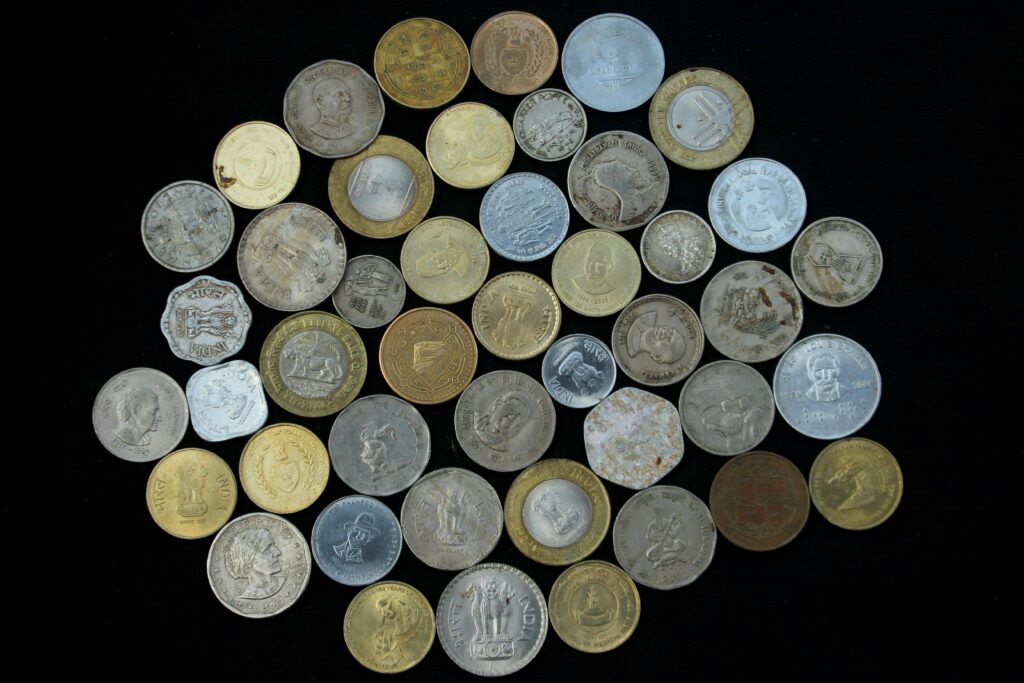
When a coin leaves circulation and enters the ground, it stops being currency and begins a long interaction with the natural world. Whether dropped along a footpath, buried near a homestead, or lost beneath a tree canopy, a coin’s condition is shaped less by human history than by environmental forces. Patina, corrosion, and surface stability are not random outcomes. They are records of soil chemistry, moisture, biological activity, and time.
What Happens to a Coin After It Enters the Ground
The moment a coin contacts soil, it is exposed to oxygen, moisture, and dissolved minerals. A copper cent lost in a grassy yard may settle just a few inches below the surface, while a silver coin near a riverbank can be pushed deeper by erosion. Over time, soil compaction from rainfall and foot traffic presses the coin downward. In clay-heavy soils, limited drainage keeps moisture in constant contact with metal. In sandy soils, faster drainage reduces prolonged exposure but allows more oxygen flow. These differences determine whether a coin slowly stabilizes or aggressively corrodes.
Patina: Nature’s Chemical Signature on Coins
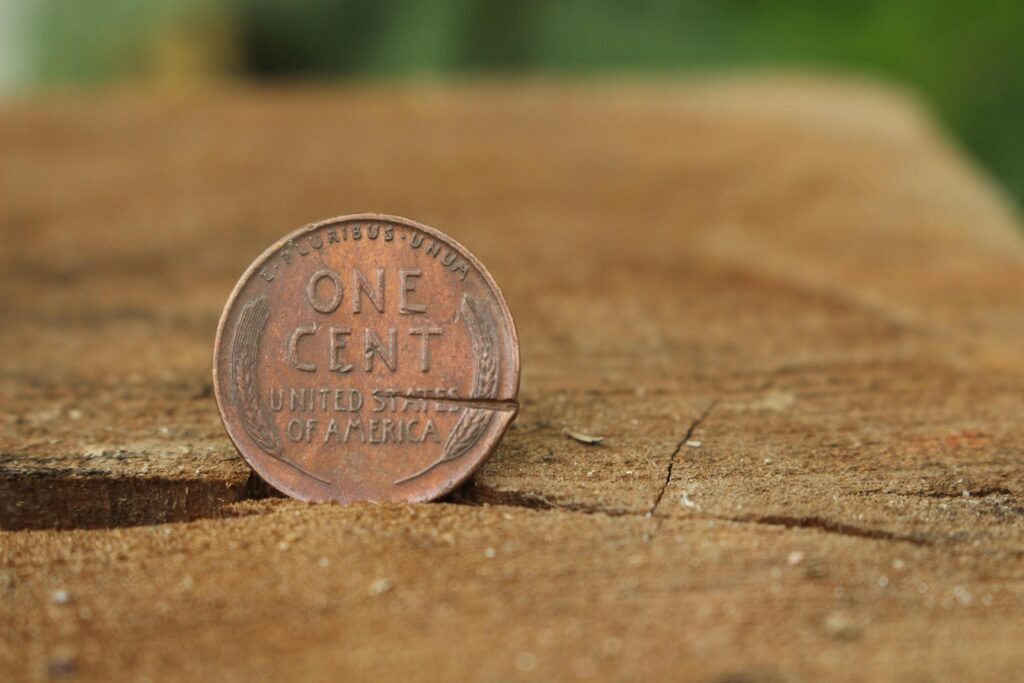
Patina forms when metal reacts with elements in its environment. On copper coins, exposure to oxygen and moisture produces copper oxides, which appear as brown or red layers. In the presence of chlorides, often found in soils near roads treated with salt, copper can develop powdery green corrosion known as bronze disease. Silver coins typically form silver sulfide, resulting in dark gray or black toning. A silver dime buried near decomposing plant matter may tone faster due to sulfur released during organic decay. Collectors value stable, even patina because it protects the underlying metal and documents natural aging without surface damage from cleaning.
Why Digging Near Trees Requires Experts
Trees dramatically influence soil conditions. Their roots release organic acids, alter moisture levels, and physically move soil as they grow. Coins lost near mature trees are often found near root systems, where shifting roots can trap or displace objects. Digging near trees without professional guidance risks cutting structural roots, which can destabilize the tree and permanently alter soil chemistry. Tree service professionals understand root zones, soil compaction limits, and safe excavation practices. When landowners uncover historical objects near trees, expert involvement helps preserve both the tree’s health and the integrity of the surrounding soil.
Soil Chemistry and Its Impact on Coin Preservation
Soil pH is one of the most important factors in coin preservation. Acidic soils, common in forested areas with heavy leaf litter, accelerate metal loss. For example, early 20th-century copper coins recovered from forests often show pitting due to acidic humus. Alkaline soils, found in limestone-rich regions, can slow corrosion and preserve details more effectively. Mineral content also matters. Iron-rich soils can stain coins dark red or black, while sulfur-rich soils promote rapid tarnish on silver. Even coins buried only a few feet apart can age differently if one rests near decaying roots and the other in compacted mineral soil.
Moisture, Microorganisms, and Time
Water acts as a carrier for corrosive elements. Coins near groundwater tables remain in a chemically active environment year-round. Freeze–thaw cycles in colder climates cause soil expansion and contraction, which can abrade coin surfaces as they shift. Microorganisms contribute as well. Bacteria involved in decomposition release acids and gases that interact with metal. A coin buried beneath a rotting stump experiences a far different environment than one in open soil. Over decades, these small effects accumulate, turning time into the most powerful factor of all.
Responsible Discovery and Preservation
Recovering coins from natural settings requires restraint and context awareness. Over-digging can damage ecosystems and destroy historical layering. Coins should be removed carefully, documented in place, and stabilized before cleaning. In many cases, leaving a coin undisturbed until proper evaluation prevents further damage. Responsible discovery respects the landscape as much as the artifact.
Coins as Records of Nature and Time
Every buried coin tells two stories. One is human, marked by its date and design. The other is environmental, written in patina, corrosion, and wear. Understanding how soil, trees, moisture, and time interact gives collectors deeper insight into what they hold. Coins are not just preserved by nature. They are transformed by it.