Nature’s Role in Coin Aging: Patina, Soil, and Time

When a coin leaves circulation and enters the ground, it stops being currency and begins a long interaction with the natural world. Whether dropped along a footpath, buried near a homestead, or lost beneath a tree canopy, a coin’s condition is shaped less by human history than by environmental forces. Patina, corrosion, and surface stability are not random outcomes. They are records of soil chemistry, moisture, biological activity, and time.

What Happens to a Coin After It Enters the Ground

The moment a coin contacts soil, it is exposed to oxygen, moisture, and dissolved minerals. A copper cent lost in a grassy yard may settle just a few inches below the surface, while a silver coin near a riverbank can be pushed deeper by erosion. Over time, soil compaction from rainfall and foot traffic presses the coin downward. In clay-heavy soils, limited drainage keeps moisture in constant contact with metal. In sandy soils, faster drainage reduces prolonged exposure but allows more oxygen flow. These differences determine whether a coin slowly stabilizes or aggressively corrodes.
Patina: Nature’s Chemical Signature on Coins

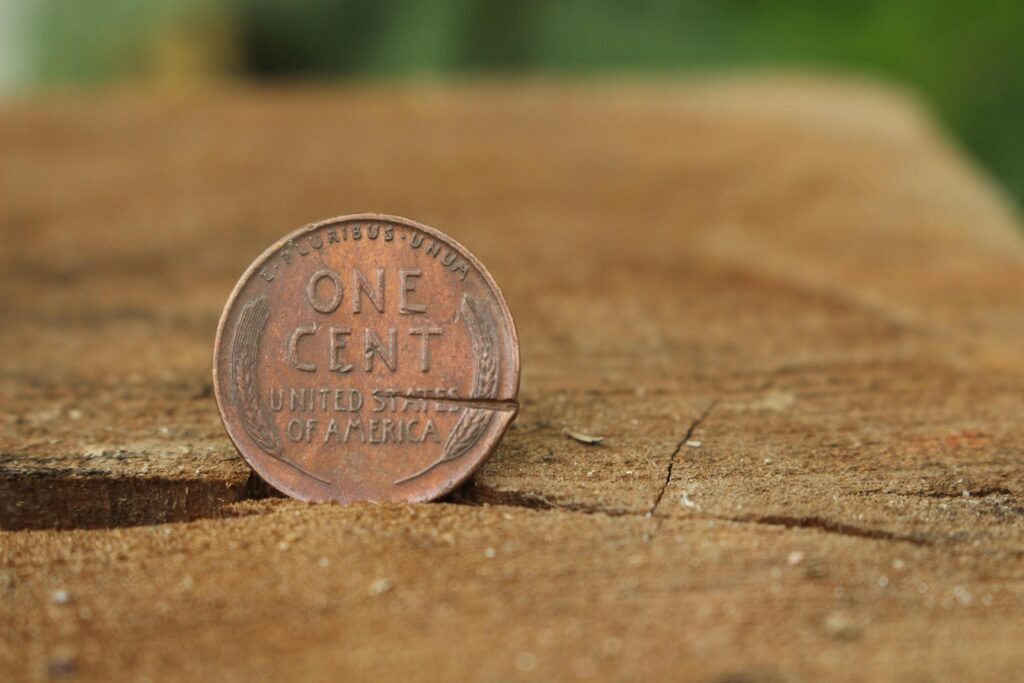
Patina forms when metal reacts with elements in its environment. On copper coins, exposure to oxygen and moisture produces copper oxides, which appear as brown or red layers. In the presence of chlorides, often found in soils near roads treated with salt, copper can develop powdery green corrosion known as bronze disease. Silver coins typically form silver sulfide, resulting in dark gray or black toning. A silver dime buried near decomposing plant matter may tone faster due to sulfur released during organic decay. Collectors value stable, even patina because it protects the underlying metal and documents natural aging without surface damage from cleaning.

Why Digging Near Trees Requires Experts

Trees dramatically influence soil conditions. Their roots release organic acids, alter moisture levels, and physically move soil as they grow. Coins lost near mature trees are often found near root systems, where shifting roots can trap or displace objects. Digging near trees without professional guidance risks cutting structural roots, which can destabilize the tree and permanently alter soil chemistry. Tree service professionals understand root zones, soil compaction limits, and safe excavation practices. When landowners uncover historical objects near trees, expert involvement helps preserve both the tree’s health and the integrity of the surrounding soil.

Soil Chemistry and Its Impact on Coin Preservation

Soil pH is one of the most important factors in coin preservation. Acidic soils, common in forested areas with heavy leaf litter, accelerate metal loss. For example, early 20th-century copper coins recovered from forests often show pitting due to acidic humus. Alkaline soils, found in limestone-rich regions, can slow corrosion and preserve details more effectively. Mineral content also matters. Iron-rich soils can stain coins dark red or black, while sulfur-rich soils promote rapid tarnish on silver. Even coins buried only a few feet apart can age differently if one rests near decaying roots and the other in compacted mineral soil.

Moisture, Microorganisms, and Time

Water acts as a carrier for corrosive elements. Coins near groundwater tables remain in a chemically active environment year-round. Freeze–thaw cycles in colder climates cause soil expansion and contraction, which can abrade coin surfaces as they shift. Microorganisms contribute as well. Bacteria involved in decomposition release acids and gases that interact with metal. A coin buried beneath a rotting stump experiences a far different environment than one in open soil. Over decades, these small effects accumulate, turning time into the most powerful factor of all.
Responsible Discovery and Preservation

Recovering coins from natural settings requires restraint and context awareness. Over-digging can damage ecosystems and destroy historical layering. Coins should be removed carefully, documented in place, and stabilized before cleaning. In many cases, leaving a coin undisturbed until proper evaluation prevents further damage. Responsible discovery respects the landscape as much as the artifact.

Coins as Records of Nature and Time

Every buried coin tells two stories. One is human, marked by its date and design. The other is environmental, written in patina, corrosion, and wear. Understanding how soil, trees, moisture, and time interact gives collectors deeper insight into what they hold. Coins are not just preserved by nature. They are transformed by it.
bellaire coin club

How to Build a Coin Collection That Tells a Story

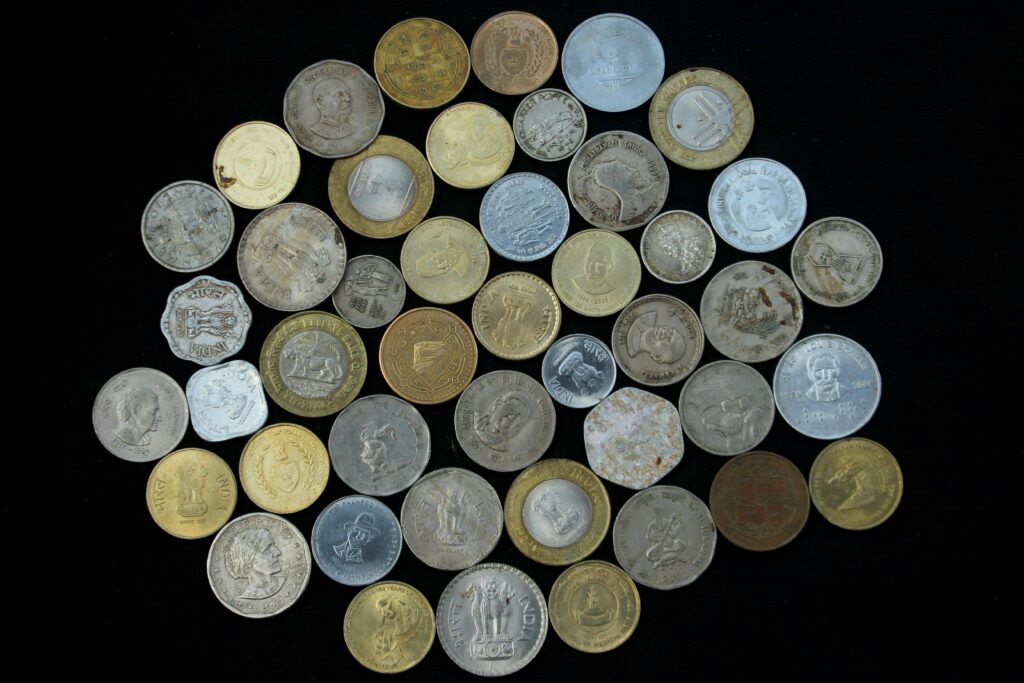
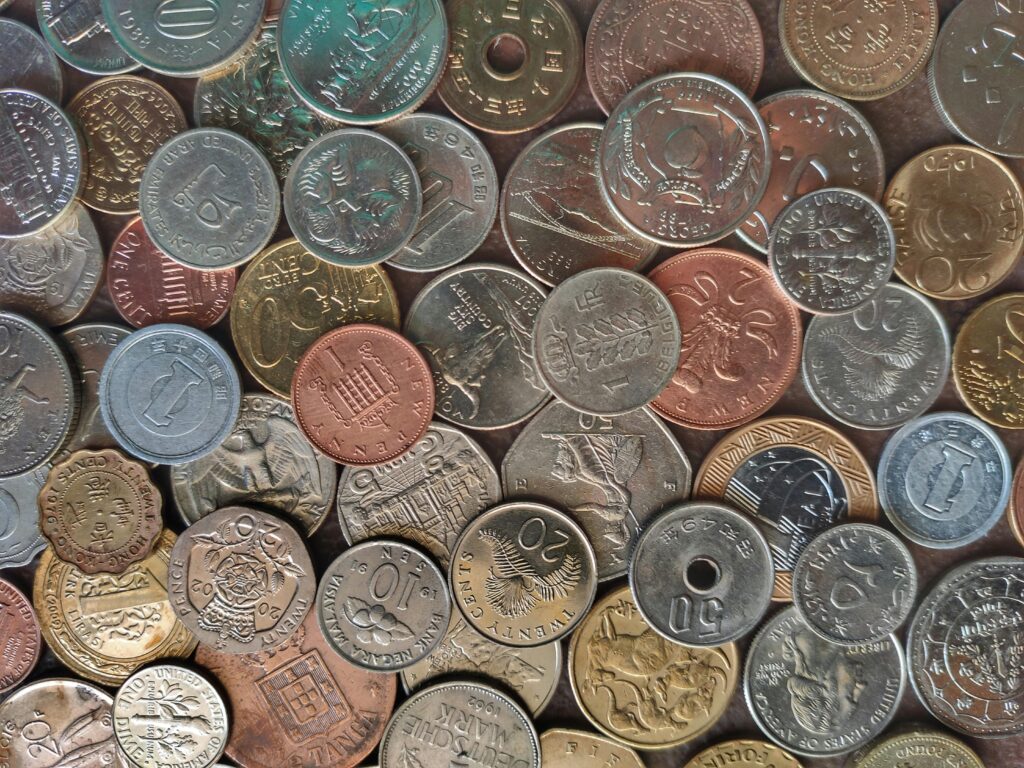
Coins talk. You just have to listen. They’ve been clutched by kings, lost by sailors, buried, traded, and forgotten.

Each one has a past. Each one has something to say. And if you listen closely, you can turn those whispers into a story.

Coins With Personality

Some coins are bold. Some are battered. Some look like they’ve survived three lifetimes and a revolution. They all have character.

Collecting isn’t about shiny objects. It’s about stories in disguise. It’s about holding history in your hand and saying, “Tell me everything.”

Story-Based Collecting 101

A story-based collection is different. It has a heartbeat. It’s not about having every mint mark. It’s about having meaning.

Each coin is a sentence. Together, they tell a tale. A story of power. Of change. Of people. Of you.

You’re not just collecting coins. You’re curating a narrative.

Pick Your Theme, Pick Your Adventure

The fun starts with your theme. Think of it as your storyline.

Women on Coins: From Cleopatra to Queen Elizabeth II. Power. Grace. Drama.

Animals of the World: Lions, pandas, and dolphins. It’s like a safari in silver.

Coins of Change: Revolutions. Freedom. Big ideas stamped into small circles.

The Space Age in Silver: Rockets, satellites, and cosmic dreams. Humanity’s shiny leap into the unknown.

My Lifetime in Coins: One for every year you’ve lived. Your story, minted in metal.

Feeling wild? Go rogue. “Coins with Hats.” “Coins That Could Buy Pizza.” “Grumpy Faces of Numismatics.” If it makes you laugh, it belongs in your collection.

Build the Plot

Every good story has a beginning, middle, and end. Start with your oldest coin. That’s your “Once upon a time.”

Add the turning points. The coins that show evolution, progress, or chaos.

Then end strong. Pick a piece that ties the story together. A finale worth flipping for.

Arrange them like a timeline. Or by emotion. Or by how cool they look next to each other. There are no rules, only rhythm.

Write short notes. Give each coin a voice. “I survived a revolution.” “I saw the moon landing.” “I used to buy bread for a penny.”

Coins love to talk if you let them.

The Hunt Never Gets Old

Treasure hunts aren’t just for pirates. Check flea markets. Coin shows. Thrift shops. The internet at 2 a.m.

Ask other collectors about their best finds. You’ll hear wild tales and maybe snag a great trade.

Keep a wishlist. Turn it into a quest. Every coin is a clue. Every discovery, a plot twist.

Make It a Show

Your story deserves an audience. Display your collection like art.

Frame it. Photograph it. Turn it into a digital gallery.

Write captions that sparkle. “The coin that crossed oceans.” “The one that saw two world wars.” “The little cent that could.”

When someone stops and says, “Wait, tell me about this one,” you’ve hooked them.

Why It Matters

Anyone can own coins. Few can make them speak.

Your story is what gives them life. Years from now, someone will hold your collection and see the world through your eyes.

Coins fade. Stories don’t.

So start your hunt. Pick your theme. Build your story. Because the best collections don’t just shine. They talk.

The Psychology of Collecting: Why We Love Coins

You swore you’d stop at one album. Then another appeared. Then a box. Then a “temporary storage area” that somehow became permanent.

Welcome to the shiny side.

Coin collecting isn’t a hobby. It’s a perfectly respectable addiction. And the best part? Science says it’s not even your fault.

The Brain Loves Shiny Things

Our ancestors chased food and shelter. We chase silver and copper. Evolution just changed the packaging.

Finding a coin triggers the same joy circuits that once helped us find berries in the forest. Your brain lights up like a pinball machine. Dopamine. Reward. Victory.

That feeling when you flip through a dealer’s tray and spot something rare? That’s not coincidence. That’s millions of years of survival instinct yelling, “Grab it before the other caveman does!”

Collecting is biological treasure hunting. You’re literally wired for it.

The Hunt Hooks You

There’s the rush. The chase. The thrill of “almost.”

You spot a coin under bad lighting at a market. You pretend not to care. You casually ask about it while your heartbeat sounds like a marching band.

It’s primal. It’s dramatic. It’s beautiful.

Half the fun isn’t finding the coin. It’s believing that you might. It’s the eternal “maybe today” feeling that keeps collectors up at night scrolling through listings they can’t afford.

We live for that spark. The jingle of hope.

The Stories Beneath the Shine

Coins are gossiping pieces of history. Tiny metal storytellers that have seen things.

Maybe your coin paid for a meal in ancient Greece. Maybe it crossed the ocean in a sailor’s pocket. Maybe it sat in someone’s drawer through three monarchs and one bad haircut.

Every coin is a time traveler. You hold it, and history winks back.

That’s why collectors never really get bored. We’re not chasing objects. We’re chasing echoes. Each coin says, “I’ve seen the world. Want to hear about it?”

Nostalgia Never Retires

Most of us started small. A coin from Grandpa. A shiny penny we swore looked different. A childhood treasure that felt like proof the past was real.

Coins tug at nostalgia. They remind us of curiosity before bills and deadlines took over. They make us feel like kids again, pockets full of wonder and lint.

Every collection has that first spark — that “wow” moment we keep chasing. Collectors don’t age. We just get better lighting.

Order, Glorious Order

Life is chaos. Coins are not.

Collecting gives us control in a world that rarely behaves. Coins stay still. They shine. They stack. They fit in tidy rows that make sense when nothing else does.

Labeling, sorting, cataloging — it’s not OCD. It’s peace. It’s calm with a metallic finish.

When life feels messy, your coin tray is a reminder that you can still make order out of chaos. One mint mark at a time.

People Who Speak Your Language

Eventually, collectors find each other. Coin shows. Clubs. Online forums that somehow feel like family reunions.

Only another collector truly understands the thrill of finding a 1914-D penny or the heartbreak of dropping one. We’re a secret society that speaks in dates and die varieties.

You think you’re collecting coins. You’re actually collecting people who get you.

The Forever Sparkle

Why do we keep doing it? Because every coin is a little miracle.

Coins don’t change much, but we do. They remind us that time moves, yet some things last. They give us wonder, connection, and stories that clink in our pockets.

So go ahead. Get the coin. The one you said you didn’t need. The one that “just caught your eye.”

It’s not just a coin. It’s happiness in metal form.

And honestly, who couldn’t use a little more shine?